Science & Society
Outreach & Art
I am committed to making mathematics & science accessible and engaging for audiences of all ages and backgrounds. My outreach activities range from organizing public workshops and collaborating with artists, to communicating research through writing and illustration.

Workshops & Events
Photo: © Joseph Krpelan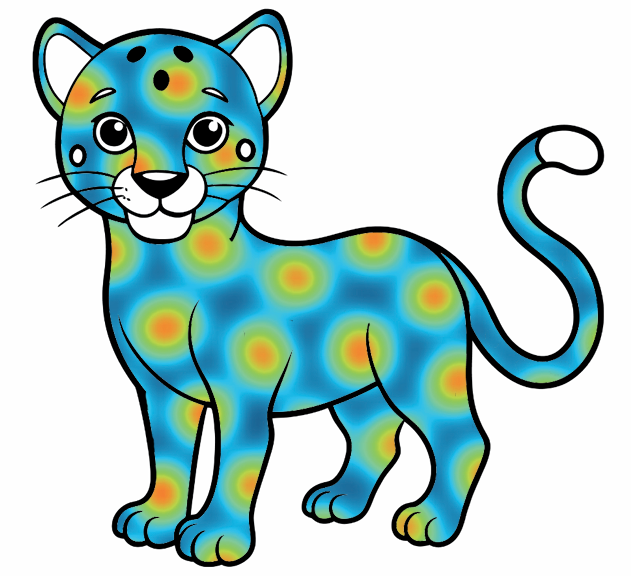
Lange Nacht der Forschung
At this year's Austria-wide "Long Night of Research" we ran the interactive station on pattern formation "How does the leopard get its spots". Visitors could learn about the Turing mechanism and create their own patterns.
 © Joseph Krpelan
International Day of Mathematics 2026
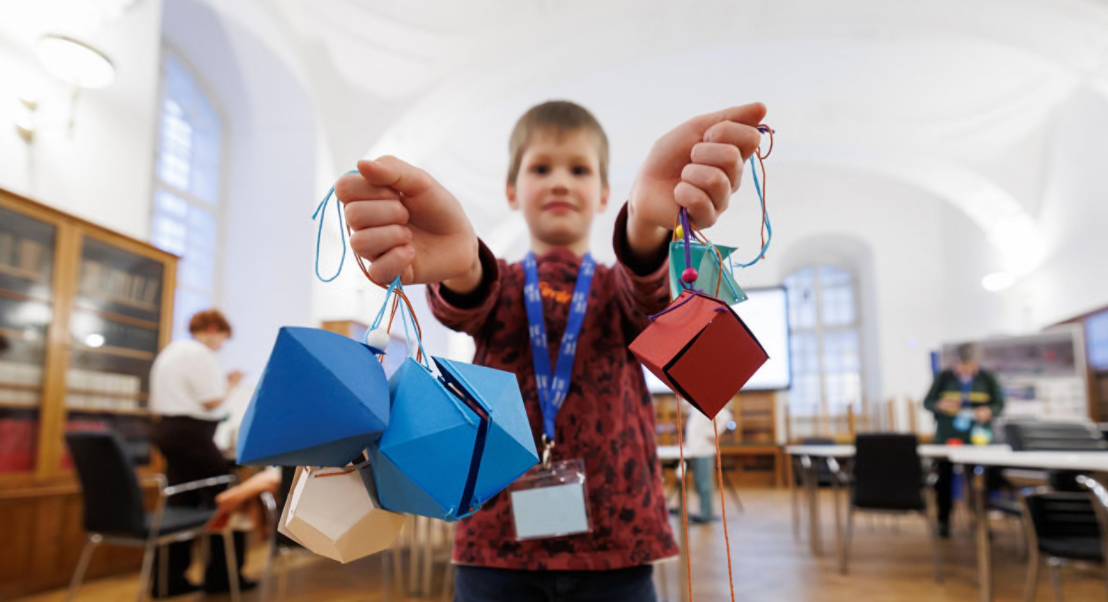
This year's workshop was "Pop-up Platonic Bodies". People of all ages created their own Platonic bodies out of paper. The twist: Pulling a string pops them into the correct 3D shape!
 © Joseph Krpelan
International Day of Mathematics 2025
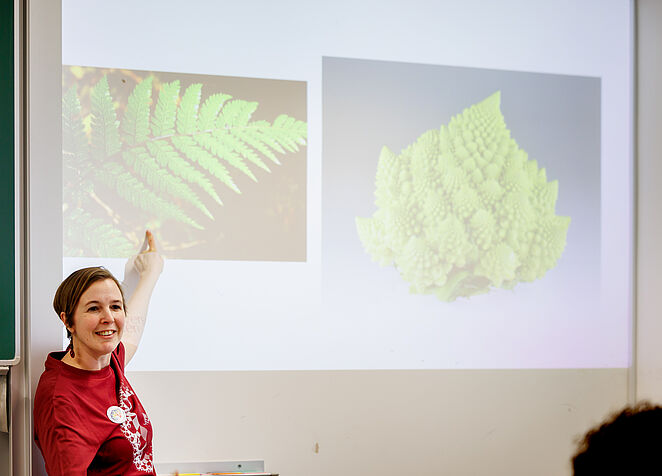
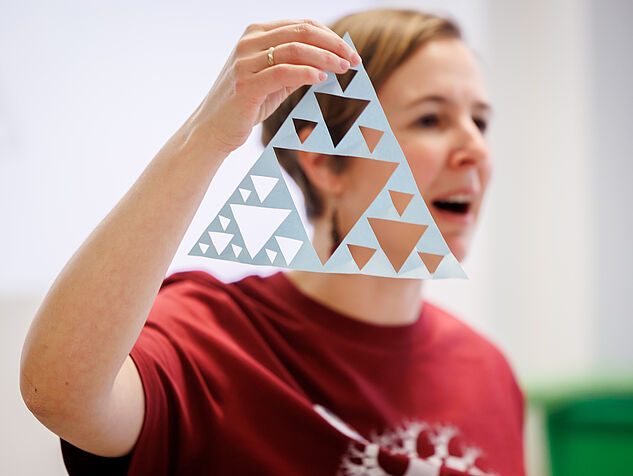
A public, hands-on workshop "Build your own Fractal" about fractals and the Pythagoras tree. Children and adults learned about fractals and created their own fractal creatures and fractal tree.
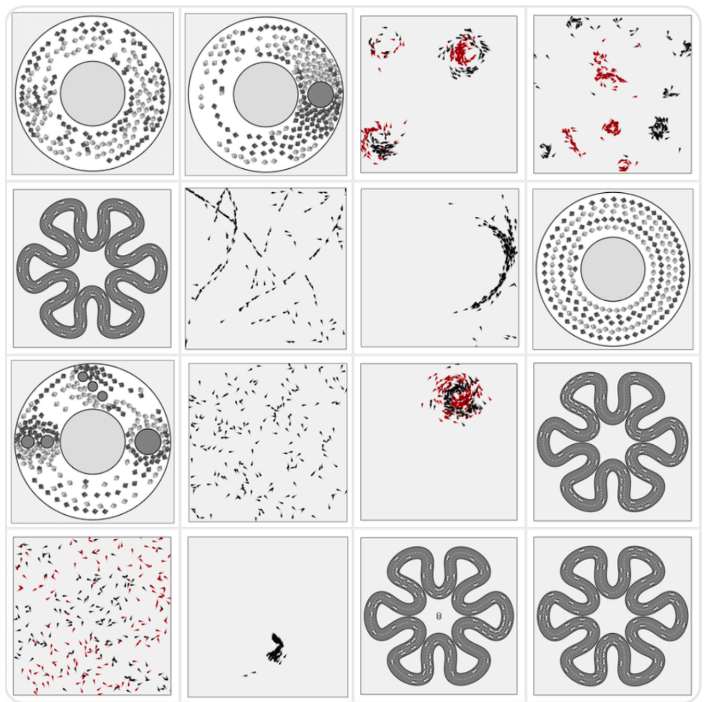
Lange Nacht der Forschung
Austria's largest public science event, where hundreds of visitors explored mathematical biology research through live demonstrations, interactive visualizations, and hands-on activities.
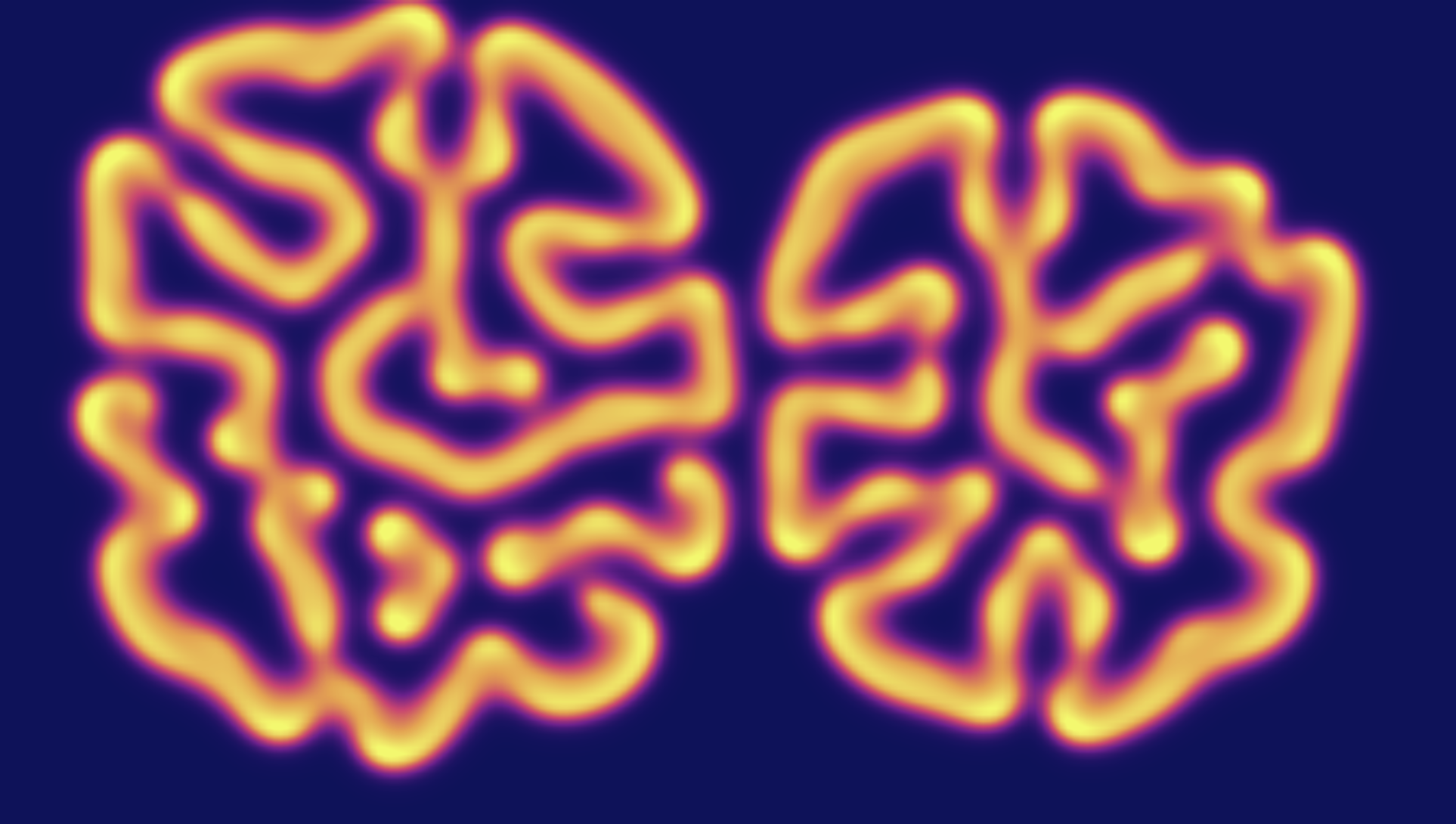
High School Talks & Mini-Courses
Talks and mini-courses for high school students about mathematical research, introducing topics in mathematical biology, pattern formation, and computational modeling.
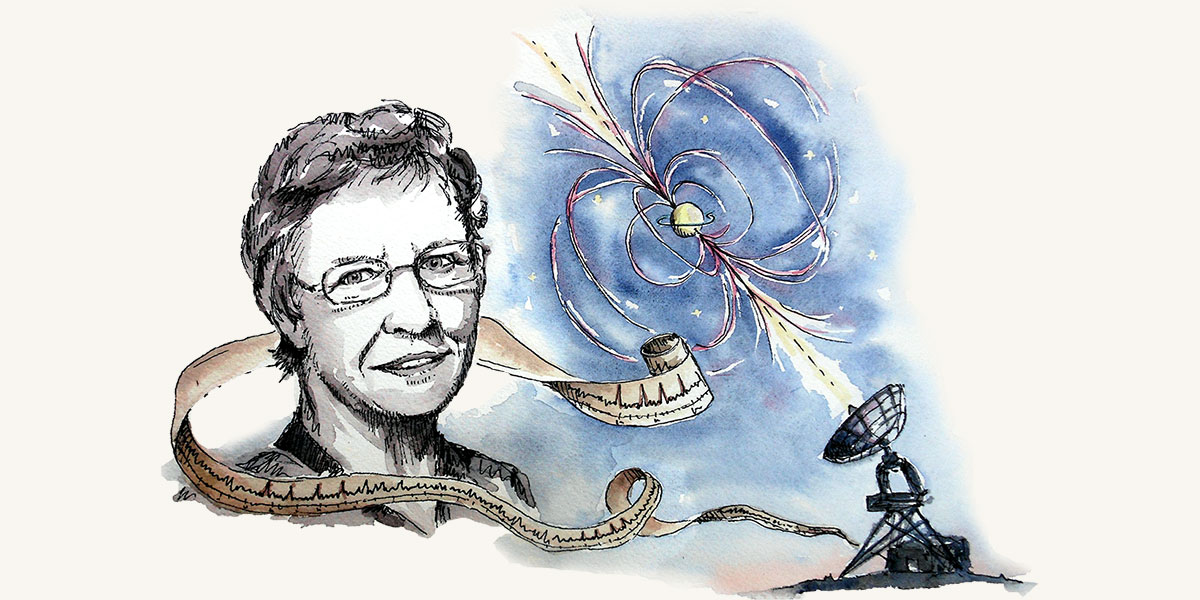
Women in Science Illustration Series
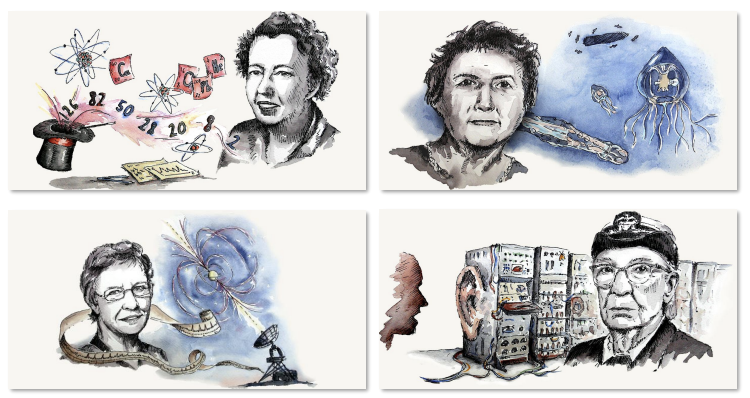
Women have been making dramatic scientific discoveries for millennia — even if they haven't always gotten the credit they deserve. This series of illustrations pays tribute to women pursuing a passion for science. Eclectic by design, the exhibition aims to reflect the many different ways to be a female scientist.
The series was originally designed for and published on Cooper Square Review, a Science Journalism website by the Carter Journalism Institute, NYU.
Art-Science Projects
 © Tom Harrison
Rhythms of Fractals & Collective Movement
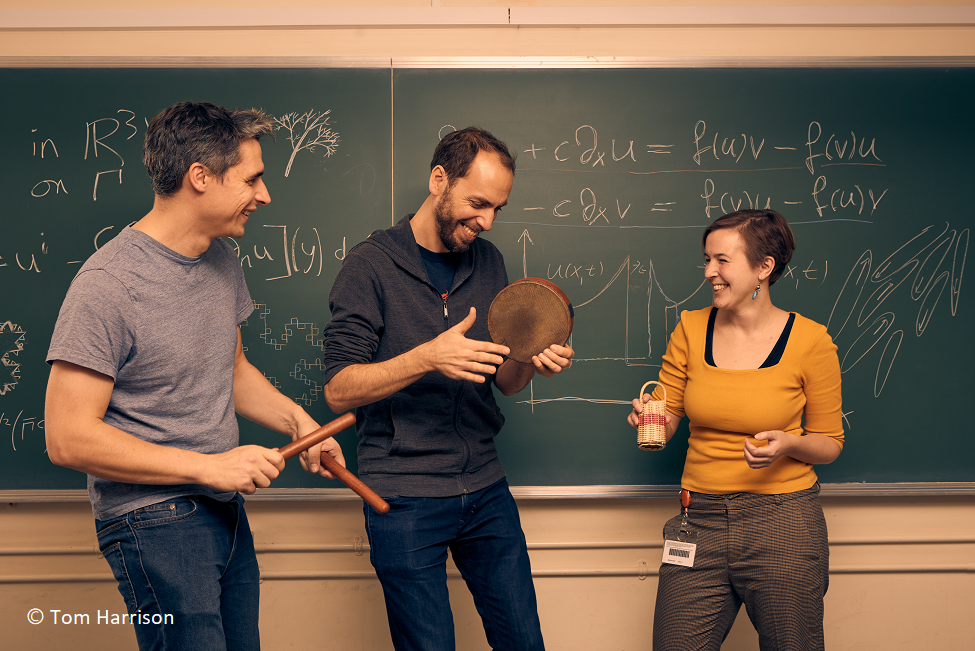
Collaboration with mathematician David Hewett (UCL) and musician & composer Bernhard Schimpelsberger exploring how the mathematical & biological concepts & patterns relate to musical rhythms. The project resulted in a composition, a video and an interactive public workshop.
 © NY Hall of Science
How Many Zombies Are Too Many Zombies?
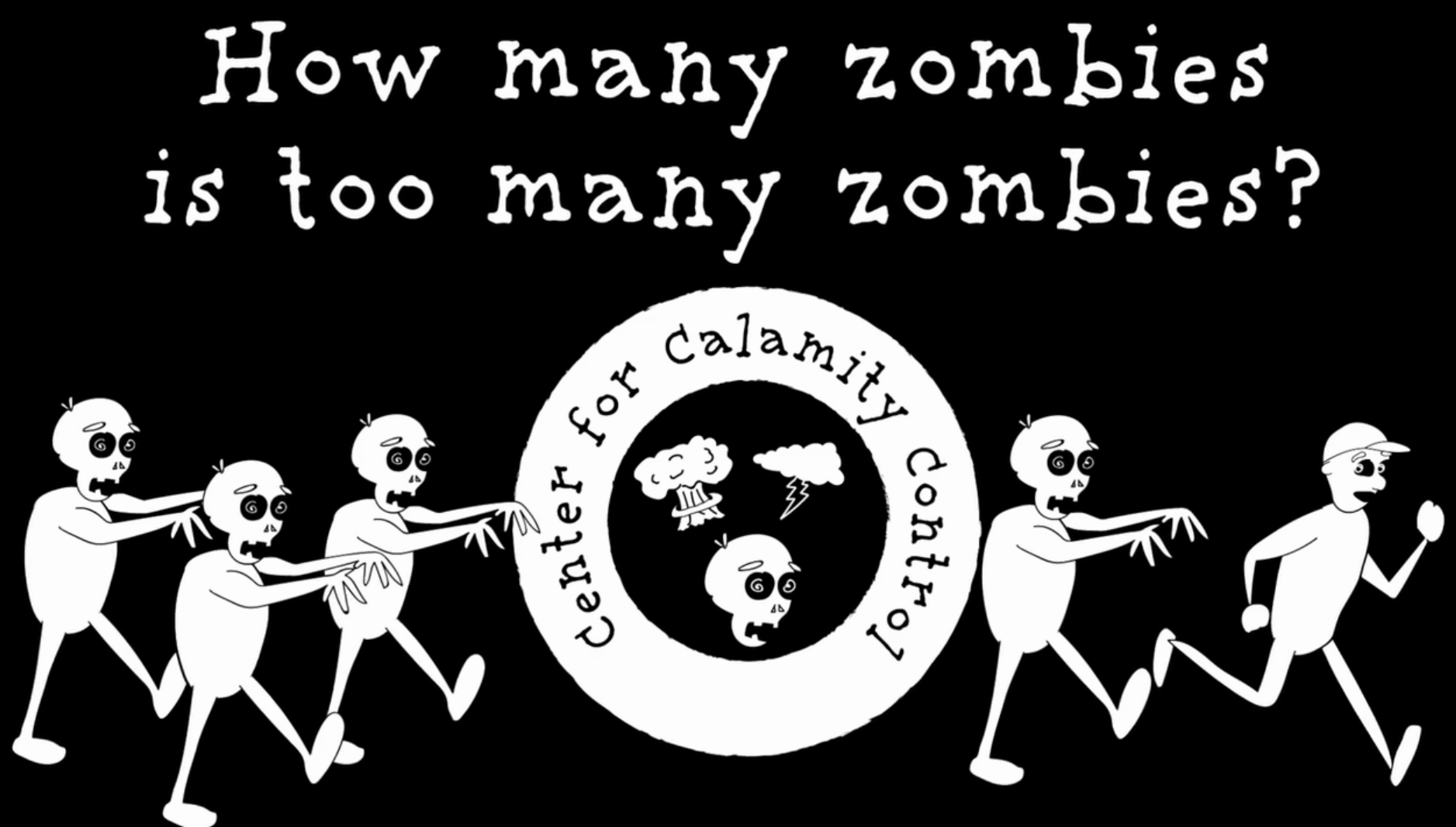
In partnership with game design studio Gigantic Mechanic, participants assume the role of scientists working with the "Center for Calamity Control" to simulate zombie outbreaks. Players modify simulation parameters, including zombie movement speeds, in a turn-based game of zombie tag — learning about modeling and differential equations through an engaging, physical experience of complex systems.
 © NY Hall of Science
Soft Cell — How Mathematics Makes Cells Move
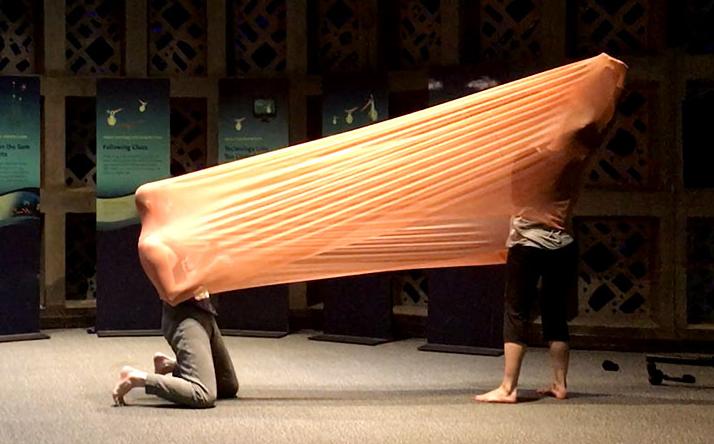
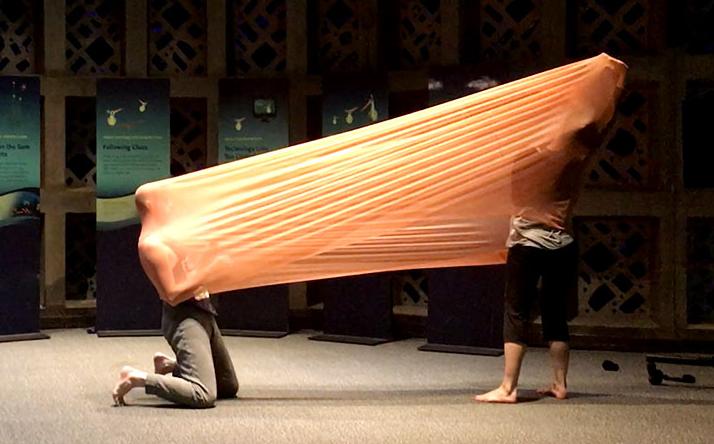
A collaboration with choreographer Kate Siccio exploring mathematical and biological connections through dance. Two dancers embody a single cell, their movements illustrating how different cells move in different scenarios — pushing, contracting and responding to stimuli. Audiences can wear cellular costumes and join the movement, becoming part of the interactive performance.
Popular Science Writing
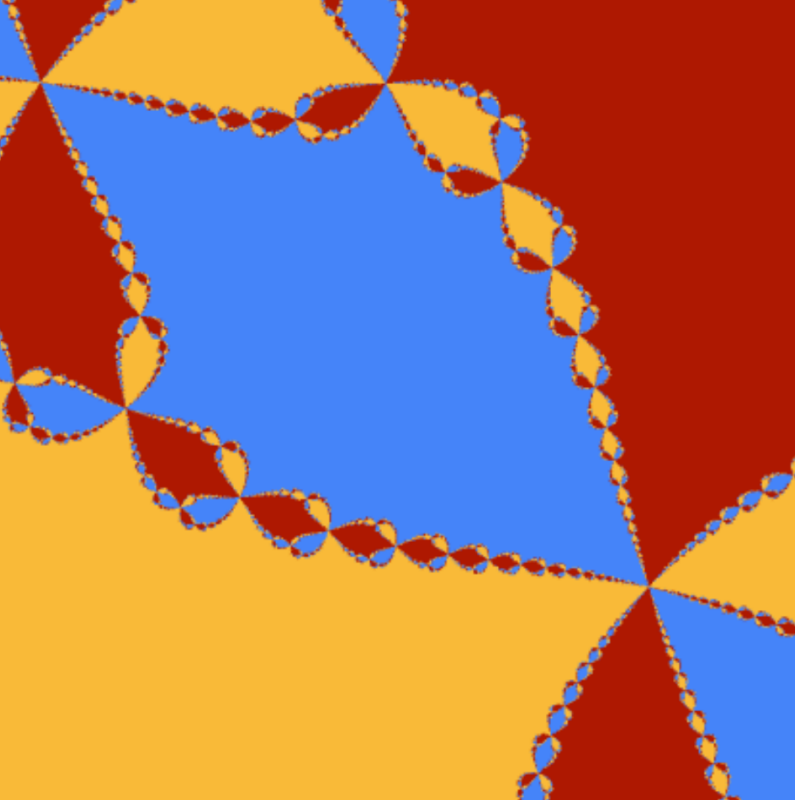
Nullstellen suchen und Fraktale finden
A text about the connection between Newton's method to find roots and fractals, published in the Austrian magazine Die Wurzel, aimed at high school students, teachers and anyone curious about mathematics.
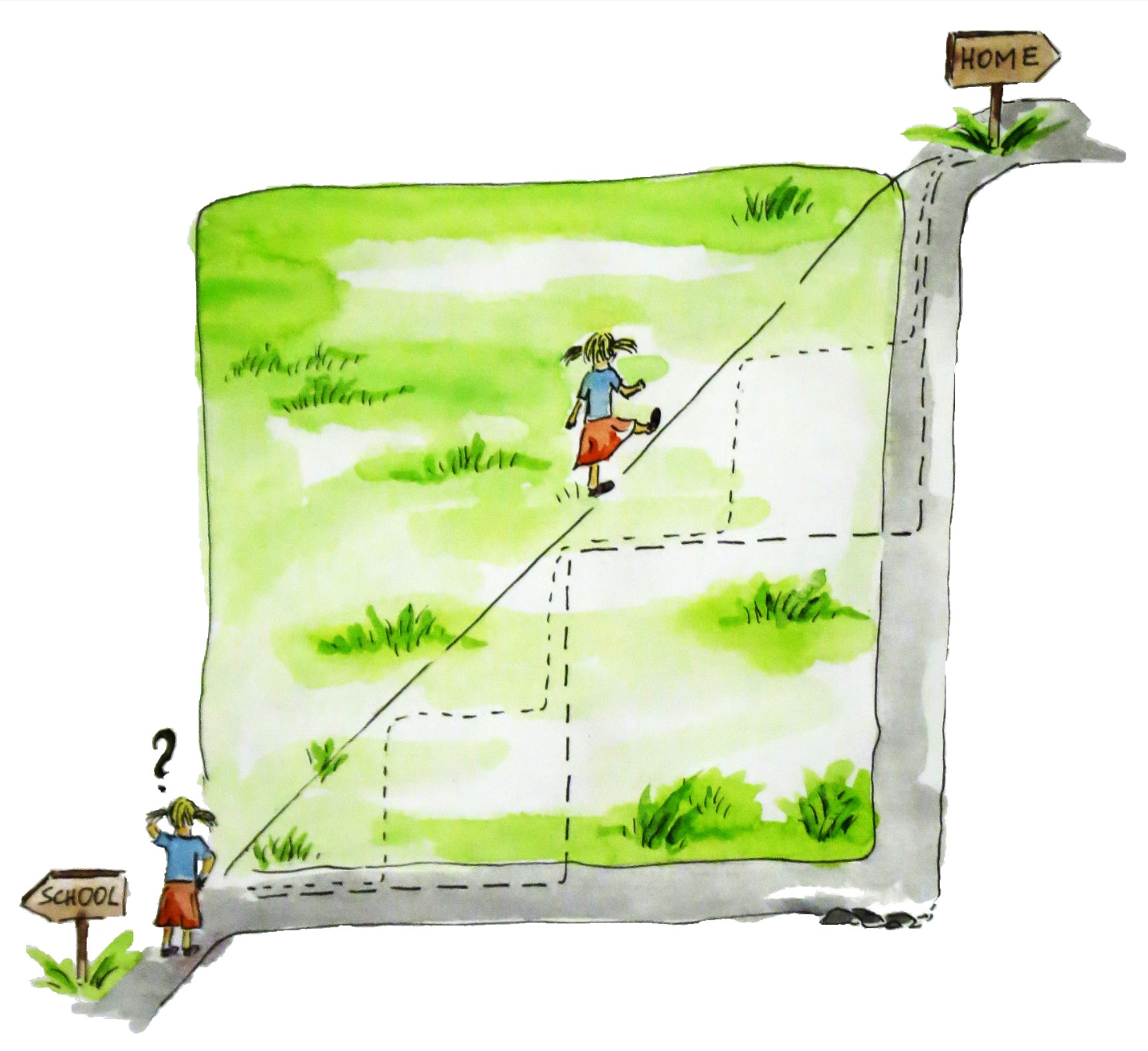
How to Tame Infinity
A real-life inspired essay about the childhood moment that sparked a fascination with mathematics — discovering the surprising geometry of zigzag paths and the strange behaviour of infinity. Originally published on Cooper Square Review.